

Table of Contents
Online Rent Collection Made Simple
- Set up rent payments
- Invite tenants
- Collect payments online
- Get paid to your bank account
- Monitor every transaction
The way you collect rent defines how your entire rental business runs. Collecting rent is the heartbeat of any rental business. Yet many landlords and property managers overlook it. The result is late payments, inconsistent records, awkward conversations, and cash flow that’s impossible to predict.
The difference between a property manager who chases rent every month and one who barely thinks about it usually isn’t the tenants. It’s the system.
A reliable rent collection system isn’t just a payment method. It’s a set of interlocking policies, tools, and habits that make paying on time the path of least resistance for tenants, and monitoring income almost effortless for you. This guide walks you through exactly how to build one from scratch.
Why A System Beats A Method
Usually, property managers focus on how to accept payment. They surf through the payment tools (e.g. Zelle, ACH) or choose property management software. But that’s only one piece of the puzzle.
A rent collection system is the full infrastructure around a payment: the lease agreement that sets expectations, the onboarding conversation that removes confusion, the automation that sends reminders, and the records that protect you legally.
When all those pieces work together, rent stops being a source of stress and becomes a reliable, largely self-running process. When even one piece is missing, the whole thing is fragile.
Setting Up Your Rent Collection System
A predictable rental business starts with a predictable rent collection process. When each part of the system is set up correctly, payments become consistent, follow-ups disappear, and your workload drops. The steps below will show you how to build that system from the ground up.
Define Your Payment Policy in the Lease
Your lease is the foundation of your rent collection system. Before a tenant ever moves in, every financial expectation should be written down clearly and agreed upon in writing.
Your lease should specify the exact rent amount, the due date (typically the 1st of the month), the grace period (usually 3–5 days, depending on your state’s laws), the late fee structure (a flat fee or percentage, within legal limits), and the payment methods you accept. Vague lease language is the single biggest cause of payment disputes.
Be specific. “Rent is due on the 1st and considered late after the 5th, at which point a $75 late fee applies” is enforceable. “Rent is due monthly” is not.
Before finalizing your fee policy, check local landlord-tenant laws. Many states cap late fees or mandate minimum grace periods.
Choose the Right Payment Infrastructure for Your Portfolio
Not every tool fits every landlord. The right choice depends on how many properties you manage and how much automation you need.
For 1–5 properties: Bank-to-bank ACH transfers offer a reliable, low-cost baseline. They create automatic records, are free or nearly free, and work well when tenant relationships are close and trust is established.
Peer-to-peer apps like Zelle are fast, but they lack rental-specific features, no automated late fees, no payment history reports, no ability to block partial payments during an eviction.
For 5+ properties: Dedicated property management platforms (such as Royalinvest.ca) become worth the investment. They automate the recurring cycle, track every transaction, apply late fees without your intervention, and generate analytical dashboard.
Onboard Tenants into the System from Day One
The moment a tenant signs the lease is the most effective moment to establish payment habits. Walk them through the payment platform in person or via a guide. Show them how to enroll in autopay, where to view their payment history, and who to contact if a payment fails.
Don’t assume tenants will figure it out. The more friction there is in the payment process, the more likely payments are to be late. A five-minute onboarding session can prevent years of follow-up texts.
PRO TIP: have tenants set up autopay before they move in. When rent is withdrawn automatically on the same date each month, there is no decision to make, no due date to remember, and no opportunity to forget. Landlords who collect via automatic payments are significantly more likely to receive rent on time than those who rely on tenants to initiate payments manually.
Automate the Recurring Monthly Cycle
Once your rent collection system is running, automation should carry most of the load. A well-configured platform handles reminder emails a few days before the due date, automatic payment withdrawal on the due date, late fee application after the grace period expires, payment confirmation receipts to tenants, and deposit notification to you.
This removes you from the middle of every monthly transaction. You’re not reminding tenants, you’re not chasing confirmations, and you’re not manually calculating late fees. The system does it, consistently and without emotion.
Automated enforcement is also fairer. When late fees apply automatically according to the lease, tenants can’t claim they weren’t warned. The policy applies equally, every time.
Build a Trail That Protects You
One of the most overlooked benefits of a good rent collection system is the documentation it creates. Every digital payment generates a timestamp, amount, and transaction record. Over the course of a tenancy, this date creates a ledger.
This matters in three situations: tax preparation, payment disputes, and eviction proceedings. In each case, having organized, timestamped records are the difference between a straightforward resolution and a complicated one.
Audit and Evolve Your System Over Time
A rent collection system isn’t a one-time setup. It should be reviewed periodically.
At each review, ask: Are tenants consistently paying on time? If not, is it because of the payment process or the tenant screening process? Are your fee amounts and grace periods still compliant with current local law? Is the platform you’re using still the best fit for your portfolio size? Are your records organized enough to hand to an accountant or attorney on short notice?
As your portfolio grows, your system should scale with it. A process that works for two units may not work for ten. Adding units is the right moment to upgrade to a more automated platform or to standardize payment policies across all properties.
Royalinvest.ca Rent Collection: Built for a Long-Term Partnership
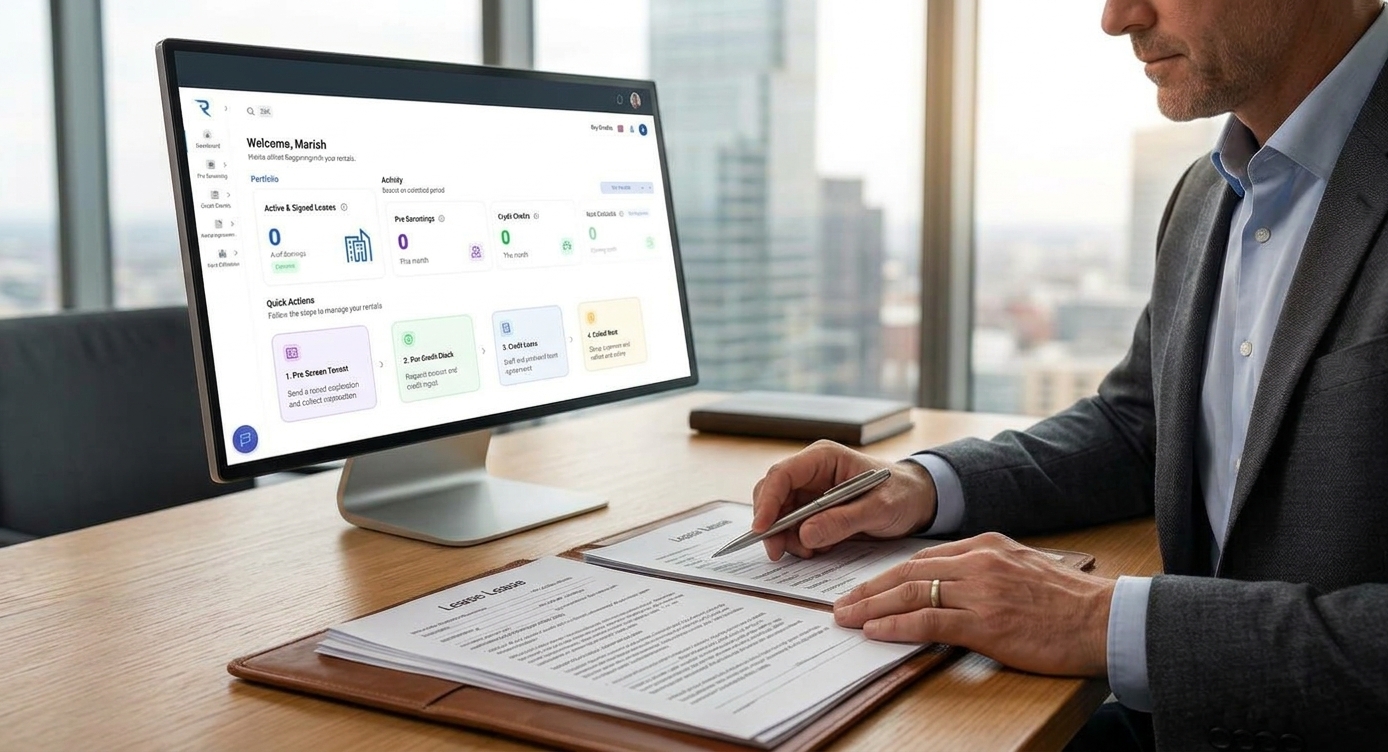
Managing rent collection shouldn’t Include using multiple tools and spending hours on ledgering them. Royalinvest.ca brings everything into one system, so you can automate the process, stay organized, and scale with confidence.
- Instead of relying on reminders, spreadsheets, and multiple apps, you get a single system that handles the entire rent collection cycle. From the moment you invite a tenant, payment schedules are clearly defined, invoices are generated automatically, and expectations are set from day one.
- Late payments are reduced through automation. Tenants receive reminders before due dates and can enable autopay, removing the need to remember or manually initiate payments. When payments are automated, consistency improves.
- Manual work is replaced with structured processes. You’re no longer sending invoices, tracking payments, or following up individually. The platform handles recurring billing, receipts, and status updates automatically, freeing up hours of admin time every month.
At the same time, you gain full visibility and control. Every transaction is recorded, every payment is tracked, and you can instantly see what’s paid, pending, or overdue. This creates a clean financial trail that supports accounting, reduces disputes, and protects you if issues arise.
Moreover, Royalinvest.ca strengthens the entire leasing process. You can create and manage lease agreements within the platform, ensuring that all payment terms, due dates, and policies are clearly defined and easily accessible in one place.
At the same time, built-in tenant credit checks help you screen applicants more effectively before they move in, reducing the risk of late or missed payments from the start. By combining lease management, tenant screening, and automated rent collection in one system.
Also, read:
- Prorated Rent: How To Calculate And Collect
- How to Connect Bank Account to Royalinvest.ca for Online Rent Payments (Step-by-Step Guide)
- From Invoice to Payment: Streamlining the Rent Collection Workflow
FAQ
Can I legally require tenants to pay rent online?
In most U.S. states, landlords cannot mandate a single payment method, but they can strongly incentivize one by making it the default and clearly outlining it in the lease. Some states require that at least one payment option does not charge the tenant for a processing fee. Check your state’s landlord-tenant statutes before restricting payment methods.
What’s the difference between a rent collection system and just using Venmo or Zelle?
A rent collection system includes the platform, policies, automation, and documentation together. Venmo and Zelle handle the transfer of money, but they don’t send automated reminders, apply late fees, block partial payments, generate tax reports, or create a legally useful payment history. For a single casual rental, they may suffice, but for anything larger or longer-term, they leave significant gaps.
At what point should I upgrade my rent collection system?
When managing manually costs you more in time than software would cost in fees. A useful rule of thumb: if you’re spending more than 2–3 hours per month on rent-related admin across your portfolio, a dedicated platform will pay for itself. Also upgrade when you add properties, when you have a tenant turnover, or when you identify a gap, like inconsistent late fee enforcement or disorganized tax records, that your current process doesn’t solve.
Does offering multiple payment options actually reduce late payments?
Yes. Every barrier to payment, having to write a check, find a stamp, or visit a bank, is an opportunity for a payment to be delayed. A well-designed rent collection system removes those barriers by letting tenants pay off their phone in under a minute. The more frictionless the process, the more likely tenants are to pay on time, even without reminders.




Leave a Reply